Blog
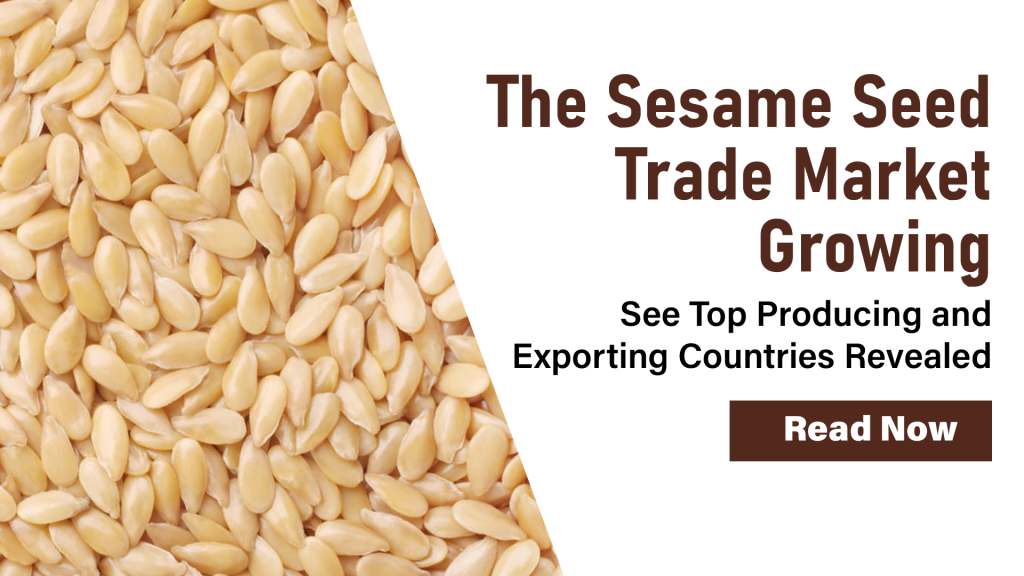
Sesame Seed Trade Market Growth- Top Producing and Exporting Countries Revealed
Sesame seeds, known for their rich nutty flavour and high oil content, are among the oldest cultivated crops in the world. They have been used for thousands of years in culinary, medicinal, and cosmetic applications. Today, sesame seeds have become a valuable global commodity, with demand steadily increasing due to their role in oils, bakery products, and health-conscious diets.
But which countries are leading the sesame trade? In this blog, we explore the top producers and exporters of sesame seeds and the factors driving their market dominance.
Global Sesame Seed Market Overview
The global sesame seed market has been experiencing steady growth, valued at USD 7.87 billion in 2025, and projected to reach USD 8.95 billion by 2030, growing at a CAGR of 2.6%. This rise is attributed to increasing demand for plant-based and vegan foods, along with the growing popularity of ethnic cuisines that frequently incorporate sesame seeds.
Top Sesame-Producing Countries
1. Sudan
Sudan is the largest producer of sesame seeds, with a production of 1,367,552 tonnes in 2023. Its vast agricultural lands and favourable climate make it a prime location for sesame cultivation. The country
plays a key role in the global sesame market, with China and the Middle East as primary buyers.
2. India
India produced 802,138 tonnes of sesame seeds in 2023, ranking among the top producers. Sesame is deeply embedded in Indian cuisine and Ayurvedic medicine, where it is used for both culinary and
medicinal purposes. The country is also a major exporter, supplying raw and processed sesame products to Europe, the U.S., and Japan.
3. Myanmar
Myanmar produced 741,823 tonnes in 2023. The country is well known for its high-quality white sesame seeds, which are highly sought after in Asian markets, particularly China and Japan. Myanmar’s sesame industry continues to expand as global demand for premium sesame varieties increases.
4. Nigeria
Nigeria is one of Africa’s leading sesame producers and has been experiencing rapid growth. Government initiatives and rising demand from Asia and the Middle East have significantly boosted sesame production and exports.
5. Ethiopia
Ethiopia is a major sesame producer, known for its high-oil-content varieties that are in demand across Europe, Asia, and the U.S.. The quality of Ethiopian sesame makes it one of the most valued products in the global market.
Major Exporting Countries and Their Markets
● Sudan and Ethiopia – The primary export markets for Sudan and Ethiopia are China and the Middle East, where sesame oil consumption is high.
● India – India exports both raw and processed sesame seeds to Europe, the U.S., and Japan, where demand for ethnic and health foods is increasing.
● Myanmar – Myanmar focuses on high-quality sesame exports to Asian markets, particularly China and Japan, where sesame is widely used in cuisine and traditional
medicine.
Factors Driving Market Dominance
Favourable Agro-Climatic Conditions
Countries like Sudan, Ethiopia, and Myanmar benefit from ideal climate conditions that support sesame cultivation. These regions experience warm temperatures, moderate rainfall, and well-drained soils, which are crucial for optimal sesame growth. Additionally, these areas often have long growing seasons, allowing for multiple harvests per year in some cases, further enhancing production capacity.
Due to their minimal need for chemical fertilizers and pesticides, sesame crops in these countries are
also highly sustainable. The combination of fertile lands, traditional farming knowledge, and government-backed agricultural programs gives these nations a competitive advantage in the sesame trade.
Government Support & Trade Policies
Many sesame-producing countries have implemented favourable trade policies to boost production and exports. For instance, Nigeria has introduced government subsidies, providing high-yield seed varieties, improved irrigation systems, and modern farming equipment to sesame farmers. The Nigerian Export Promotion Council (NEPC) has also facilitated export incentives to encourage local farmers and processors to target international markets.
Similarly, in India, the government has invested heavily in agricultural research, developing drought-resistant sesame varieties to improve yields. The country also benefits from bilateral trade agreements with major sesame-consuming nations such as Japan, South Korea, and the European Union, allowing for preferential export terms and reduced tariffs.
Additionally, Ethiopia has established cooperative farming programs that help small-scale farmers access financial resources and global buyers, ensuring the country remains competitive in the global sesame trade.
Rising Demand for Healthy Foods
The growing global emphasis on health and wellness has led to an increased demand for sesame seeds, as they are recognized for their high nutritional value. According to health studies, sesame seeds are rich in:
● Healthy fats, particularly polyunsaturated and monounsaturated fats that supports heart health.
● Plant-based protein makes them a preferred ingredient for vegetarians and vegans.
● Antioxidants like sesamin and sesamol which help reduce inflammation and oxidative stress.
● Dietary fibre which aids digestion and improves gut health.
As plant-based diets and functional foods continue to trend in Western markets, sesame is being used in energy bars, tahini spreads, dairy alternatives, and fortified snacks. This shift in consumer preferences is driving a steady increase in sesame demand, prompting top-producing countries to scale their output.
Cultural and Traditional Use
Sesame has been a staple ingredient in the cuisines and traditional medicine practices of many top-producing countries for centuries. In India, it is believed to be widely
used in Ayurvedic remedies, believed to boost immunity, improve digestion, and promote skin health. Sesame oil is also a common cooking ingredient in South Asian, Middle Eastern, and African cuisines, further fueling domestic consumption. boost immunity, improve digestion, and promote skin health. Sesame oil is also a common cooking ingredient in South Asian, Middle Eastern, and African cuisines, further fueling domestic consumption.
In Myanmar and Ethiopia, sesame farming has deep cultural and economic importance, with
generations of farmers specializing in the cultivation and export of high-quality seeds. In Sudan and Nigeria, sesame oil is believed to be used in medicinal and cosmetic applications, such as massage oils and hair treatments, making it a valuable commodity beyond just food production. As global consumers become more aware of the cultural significance and versatile uses of sesame, international demand continues to grow, securing the long-term dominance of these producing nations.
Looking ahead, the sesame seed market is poised for continued growth, fueled by the increasing popularity of plant-based diets and health-conscious eating trends. Countries that invest in sustainable farming and innovative processing techniques will maintain a competitive edge in the international sesame trade.
Are you looking to source premium sesame seeds? Strengthen your supply chain with export-grade sesame sourced from trusted farms. Explore our range of quality sesame seeds ready for bulk export now. At Ovalium Pulver, we deliver premium dried botanicals and natural oils trusted by global brands. Contact us to source your next ingredient