Blog
Are you looking to source high-quality hibiscus flowers from Nigeria but unsure where to start?
If you are a tea blender, a botanical extractor, or a large-scale beverage manufacturer, you already know that Nigerian hibiscus (commonly called Zobo) is among the finest in the world. Its deep ruby-red color and intense flavor profile make it the “red gold” of the African Sahel.
In this comprehensive guide, we will break down everything you need to know about buying hibiscus exports from Nigeria, and by the end of this post, you will have a professional blueprint for sourcing Nigerian hibiscus with confidence.
Key Takeaways
- Specify 98% purity and <12% moisture in every contract
- Focus on suppliers who source from Kano and Jigawa for the best color
- Plan your largest purchases between November and February
- Ensure the use of new 25kg PP bags to prevent tearing and contamination
- A Phytosanitary certificate and a Fumigation certificate are non-negotiable for customs
- Use 40ft HC containers to lower the “per ton” shipping cost
- Treat your exporter as a partner. Consistent buyers always get the best prices and the cleanest stock.
The Buyer’s Metric of Hibiscus Flower Quality
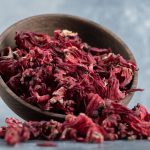
The variety grown in Nigeria is primarily Hibiscus sabdariffa. Unlike the ornamental hibiscus you see in tropical gardens, this species is cultivated specifically for its fleshy, red calyxes. These calyxes are harvested after the flower petals fall off.
Nigeria’s competitive advantage lies in its climate. The northern states, Kano, Jigawa, Katsina, Gombe, and Bauchi, offer the perfect semi-arid environment. The intense sun during the drying season ensures that the flowers are dried naturally without the need for industrial dehydrators, which often strip the flowers of their natural oils and vibrant color. This sun-drying process is what gives Nigerian hibiscus its world-class potency.
When you enter the Nigerian market, you cannot simply ask for “hibiscus.” You must define your quality parameters using industry-standard metrics. If you don’t, you risk receiving a shipment full of sand, stalks, or, worse, mold.
1. Moisture Content
This is the most critical factor for sea freight. Dried hibiscus is hygroscopic; it absorbs moisture from the air. For international export, the moisture content must be below 12%. Ideally, you should aim for 9% to 10%. If the moisture is too high, the heat inside a shipping container crossing the Atlantic or the Indian Ocean will cause the hibiscus to ferment or grow mold, ruining the entire batch.
2. Purity and Admixture
In the trade, “admixture” refers to anything that isn’t a hibiscus calyx. This includes small stones, sand from the drying floors, stalks, and leaves. Standard export grade is 98% purity (meaning no more than 2% admixture). Premium buyers often demand 99% purity. Achieving this requires the exporter to use mechanical cleaning or intensive hand-sorting.
3. Color Intensity
The global market prefers a “deep red” or “dark red” hue. This color is an indicator of the anthocyanin content. In Nigeria, the darker the flower, the higher the concentration of natural pigment, which is vital for food coloring and tea aesthetics.
The Step-by-Step Sourcing Process
The journey from a small farm in Northern Nigeria to your warehouse in Europe, North America, or Asia is filled with logistical hurdles, quality control risks, and regulatory requirements.
Step 1: Mapping the Harvest Cycle
To get the best prices, you must buy during the harvest. The Nigerian hibiscus season starts in October and peaks between November and February. During these months, the supply is high, the flowers are fresh, and the moisture levels are naturally low due to the Harmattan wind (a dry, dusty wind from the Sahara). Buying in July or August is possible, but prices will be higher as you will be buying from stored “old crop” stocks.
Step 2: Vetting Your Export Partner
Nigeria has thousands of traders, but only a fraction are “export-ready.” You must perform due diligence:
- NEPC Certification: Every legitimate exporter must be registered with the Nigerian Export Promotion Council. Ask for their certificate and verify the number on the NEPC portal.
- Warehouse Inspection: If you cannot travel to Nigeria, hire a local agent to visit their warehouse. Does the exporter have a clean, concrete floor for bagging? Is the warehouse dry and free of rodents?
- Past Performance: Ask for a redacted Bill of Lading (B/L) from a shipment they completed in the last six months. This proves they have the logistical capacity to move goods through the port.
Step 3: The Sampling Protocol
Never send a deposit based on a photograph. Request a 2 kg sample sent via express courier. Once received, perform three tests:
- Visual Test: Spread the flowers on a white sheet. Check for sand and stalks.
- Brew Test: Steep the flowers in hot water. Check the speed of color release and the acidity of the taste.
- Lab Test: If you are a large manufacturer, send the sample to a lab to check for microbial loads (Salmonella/E. coli) and pesticide residues.
Step 4: Shipping and Logistics
Most hibiscus is shipped out of the Lagos ports (Apapa or Tin Can Island).
- Container Loading: Hibiscus is a “bulky” commodity. To maximize shipping costs, exporters usually use 40 ft. high cube containers. Depending on whether the flowers are “loose” or “pressed,” a 40 ft container can hold between 12 and 22 metric tons.
- Packaging: The standard is 25 kg Polypropylene (PP) bags. These bags are durable and allow for slight airflow. Ensure your contract specifies “new, clean bags” to avoid contamination from previous uses.
- Fumigation: This is a legal requirement. The container must be treated with methyl bromide or phosphine to ensure no insects survive the journey. You must receive a fumigation certificate issued by a licensed authority.
Step 5: Payments and Risks
The biggest fear for international buyers is losing money to fraud. To protect yourself, use the following methods:
- Irrevocable Letter of Credit (L/C): This is the safest way to trade. Your bank guarantees payment to the exporter only when they present the bill of lading and other shipping documents. If they don’t ship, you don’t pay.
- Escrow or Inspection-Linked Payments: You can agree to pay a 30% deposit for mobilization, with the 70% balance payable only after a third-party inspection agency (like SGS or Intertek) issues a “Clean Report of Findings” at the port.
Documentation Checklist
Before the ship arrives at your port, ensure you have the following documents from your Nigerian partner:
- Final Commercial Invoice
- Packing List
- Original Bill of Lading
- Phytosanitary Certificate (issued by NAQS)
- Certificate of Origin
- Fumigation Certificate
- Inspection Certificate (SGS/Intertek)
Ovalium Pulver, Powering Global Trade with Excellence
For international buyers who require a high level of corporate accountability, Ovalium Pulver specializes in the aggregation and processing of Nigerian agro-commodities, including hibiscus, ginger, and cashew nuts.
Ovalium Pulver buffers against common local market pitfalls by implementing strict protocols to ensure excellent service. By working with an established corporate entity like Ovalium Pulver, buyers gain peace of mind.
Conclusion
By sourcing from Nigeria, you are not just buying a product; you are tapping into an ecosystem of sun, soil, and hard-working farmers who have perfected the art of hibiscus cultivation over decades.
While the process requires attention to detail, the rewards are immense. High-quality Nigerian hibiscus can significantly lower your production costs while providing a superior end-product for your customers. Whether you are making hibiscus tea, natural sodas, or cosmetic dyes, the Nigerian market is your most reliable resource.
Are you ready to scale your hibiscus sourcing? Take the first step today by reaching out to a certified Nigerian exporter, Ovalium Pulver.
FAQs
Does hibiscus from Nigeria require special import permits?
In many countries, hibiscus is classified as a food or botanical product and may require an import permit, especially if it is intended for human consumption. Requirements differ by country, so buyers should consult their local customs authority or food safety agency before shipment.
How long can dried hibiscus be stored without losing quality?
When properly dried and stored in a cool, dry environment, hibiscus can maintain quality for up to 12 to 24 months. However, exposure to humidity, heat, or poor ventilation can significantly reduce shelf life and cause color fading or mold growth.
Can hibiscus shipments be rejected at the destination port?
Yes, shipments can be rejected if they fail laboratory testing, exceed pesticide limits, show microbial contamination, or have documentation errors. This is why pre-shipment inspection and compliance verification are essential before export.
Is it possible to customize packaging with my company’s brand?
Yes, many exporters offer private labeling and customized packaging services. Branding agreements should be clearly documented in the contract.
What currency is typically used for hibiscus export transactions?
Most international hibiscus export transactions from Nigeria are conducted in US dollars. However, the final agreement depends on negotiation between the buyer and the seller. Using a stable international currency reduces exchange rate risk.