Blog
Dried Hibiscus Flower Demand is Rising – Here’s Why the World Can’t Get Enough
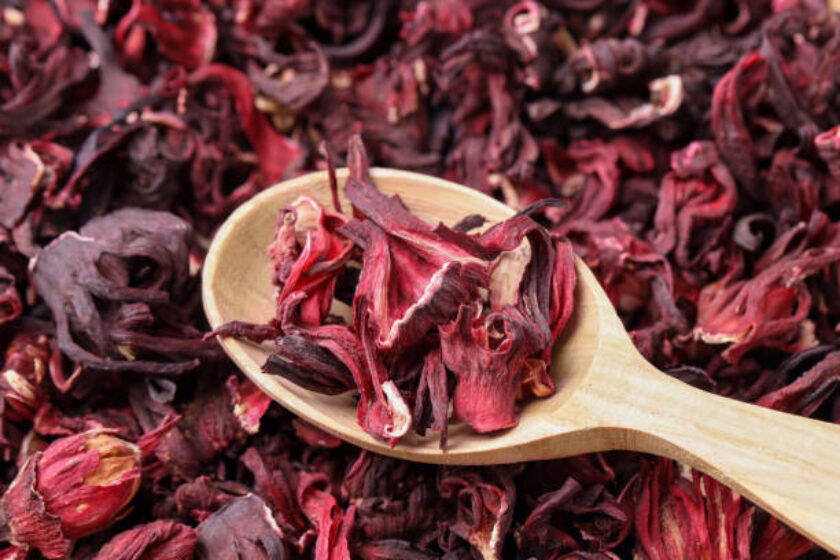
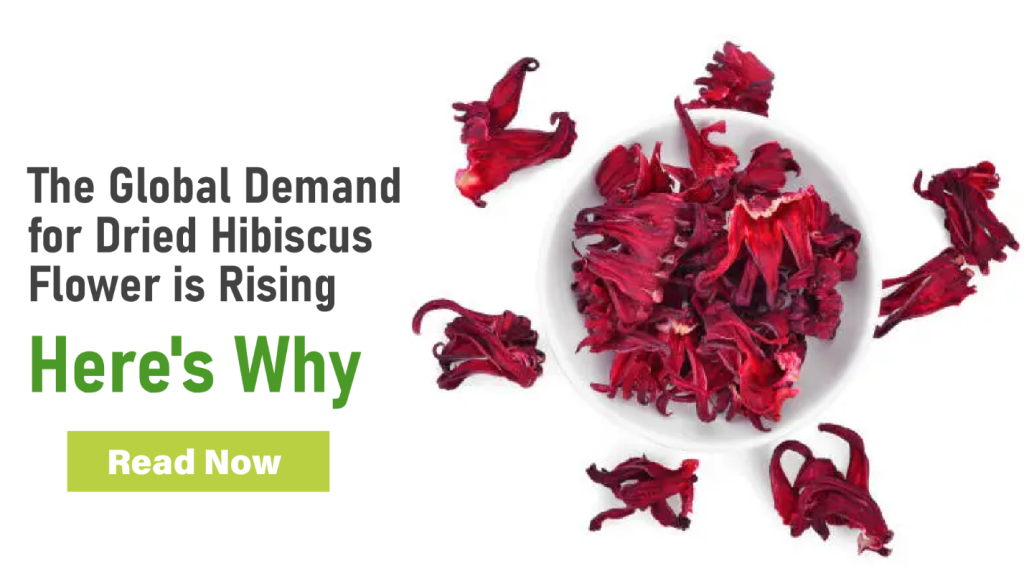
Dried hibiscus flowers (Hibiscus sabdariffa), known for their deep crimson colour and tart, cranberry-like flavour, are experiencing a surge in demand worldwide. Traditionally used in herbal medicine and regional drinks, hibiscus is now making waves in the wellness, cosmetics, and food industries. This growing interest is fueled by consumers’ increasing preference for natural, plant-based ingredients.
Let’s explore the key factors driving this global demand
The Health and Wellness Boom
The increasing interest in natural health remedies has elevated hibiscus as a prominent ingredient in the wellness industry. As consumers become more conscious of the benefits of plant-based solutions, hibiscus has gained recognition for its rich nutritional profile and diverse health-supporting properties. The research underscores its potential advantages:
Heart Health:
According to research, hibiscus tea consumption may aid in lowering blood pressure and cholesterol levels, as a study published in The Journal of Nutrition found that hibiscus tea significantly reduced systolic blood pressure in prehypertensive and mildly hypertensive adults.
Weight Management:
Research indicates that hibiscus extract supplementation may contribute to weight management. A systematic review and meta-analysis published in Phytomedicine concluded that hibiscus extract led to significant weight reduction.
Digestive Support:
Hibiscus is said to possess diuretic and anti-inflammatory properties that can aid digestion and reduce bloating. An article from Vogue highlighted hibiscus tea’s effectiveness in alleviating abdominal bloating and improving digestive health.
With preventive healthcare gaining traction, hibiscus-infused products are growing in popularity across global markets. Consumers are increasingly seeking natural, plant-based alternatives to support their overall well-being, driving demand for hibiscus in a variety of applications. From herbal teas and dietary supplements to skincare formulations and functional beverages, hibiscus is being embraced for its scientifically backed health benefits and its vibrant, appealing flavour.
The Rise of Herbal and Functional Beverages
Hibiscus serves as a key ingredient in various beverages, expanding from traditional uses to mainstream markets. Known for its vibrant colour, tart flavour, and rich antioxidant content, hibiscus has been a staple in herbal teas and natural drinks across cultures for centuries. With the growing demand for functional beverages—drinks that offer health benefits beyond basic nutrition—hibiscus is gaining recognition as a powerhouse ingredient in modern wellness drinks.
Traditional Beverages:
In Mexico, Agua de Jamaica (hibiscus tea) is a staple drink. Similarly, in West Africa and Egypt, hibiscus-based beverages have been consumed for centuries for their cooling and health-promoting effects.
Western Markets:
Major tea brands have incorporated hibiscus into their products, offering caffeine-free and antioxidant-rich options. The Cleveland Clinic notes that hibiscus tea is packed with antioxidants and supports cardiovascular health.
Kombucha and Functional Drinks:
Many brands now add hibiscus to probiotic-rich beverages like kombucha, leveraging its natural tartness and potential health benefits. The Cleveland Clinic also mentions that hibiscus tea supports liver health and may aid in weight loss.
This trend has led to a surge in hibiscus cultivation, benefiting both small-scale and large-scale farmers.
Expanding Use in Cosmetics and Skincare
Hibiscus, often referred to as the “Botox plant”, is gaining prominence in the beauty industry for its potential anti-ageing and hair health benefits. As the demand for natural and plant-based beauty products rises, hibiscus is being incorporated into various formulations aimed at promoting youthful skin and healthy hair.
Anti-Aging Skincare Benefits
Hibiscus is rich in antioxidants, including vitamin C and flavonoids like hibiscin and quercetin, which help neutralize free radicals responsible for premature skin ageing. A study demonstrated that hibiscus extract significantly reduced oxidative stress in skin cells, thereby protecting them from environmental damage.
Additionally, research indicates that polysaccharides in hibiscus can stimulate skin cell proliferation by up to 40%, enhancing skin regeneration and potentially improving skin texture. Another study found that hibiscus extract increased collagen production by 48% and hyaluronic acid synthesis by 24% in fibroblast cells, contributing to improved skin elasticity and moisture retention.
Furthermore, hibiscus extract has been shown to inhibit collagenase activity, an enzyme responsible for collagen degradation, thereby helping to maintain skin firmness. Its natural acids also provide gentle exfoliation, promoting a brighter complexion and reducing hyperpigmentation.
Hair Care Applications
While extensive clinical research on hibiscus’s effects on human hair is limited, some studies and anecdotal evidence suggest potential benefits. A 2003 study indicated that a leaf extract of Hibiscus rosa-sinensis positively affected hair length and hair follicles in lab rats, with the leaf extract being more effective than the flower extract.
Traditionally, hibiscus has been used in herbal hair treatments to nourish the scalp, strengthen hair strands, and promote hair growth. Its high mucilage content provides deep conditioning, potentially reducing dryness and dandruff. However, more human studies are needed to substantiate these claims.
Rising Demand for Clean Beauty
The shift towards clean beauty products has heightened interest in botanical ingredients like hibiscus. Its multifaceted benefits, sustainability, and natural origin make it an attractive component in skincare and haircare formulations. Brands are increasingly incorporating hibiscus extracts into serums, masks, shampoos, and conditioners to cater to consumers seeking natural beauty solutions.
A Natural Alternative to Artificial Food Colouring
As global food safety regulations become more stringent, manufacturers and consumers alike are shifting away from synthetic food dyes in favour of natural alternatives. Studies suggest that artificial food colourants may pose potential health risks, leading regulatory bodies such as the European Food Safety Authority (EFSA) and the U.S. Food and Drug Administration (FDA) to reassess their safety. This has driven demand for plant-based, clean-label solutions, with hibiscus emerging as a promising natural food colourant.
Rich in anthocyanins—natural pigments responsible for its deep red hue—hibiscus is known to offer a vibrant and appealing alternative to artificial dyes. Beyond its striking colour, hibiscus also contributes subtle tart notes, making it a versatile ingredient across multiple food applications. Its growing use in dairy alternatives, baked goods, confectionery, and gourmet culinary creations underscores its potential to revolutionize natural food colouring.
Studies indicate that hibiscus-based pigments offer stability under varying pH levels, making them particularly suitable for acidic products like fruit-based beverages, yoghurts, and sauces. Furthermore, its antioxidant properties are believed to provide an additional layer of functional benefits, aligning with the increasing consumer preference for foods that not only look appealing but also offer health-supporting compounds.
Here’s how hibiscus is being utilized across different food categories:
● Dairy-Free Alternatives & Yogurts: The vibrant red hue of hibiscus is said to enhance the appeal of plant-based dairy alternatives. Studies suggest that anthocyanins extracted from Hibiscus rosa-sinensis can serve as effective natural colourants in food products.
● Baked Goods & Confectionery: Hibiscus powder is increasingly used as a natural colouring agent in frostings, pastries, and candies. Research indicates that anthocyanins from hibiscus can provide stable and visually appealing colouring in various food matrices.
● Sauces & Dressings: Its tart flavour and rich colour make hibiscus a valuable addition to gourmet culinary creations, enhancing both taste and visual appeal. Studies suggest that hibiscus extracts can contribute to the sensory properties of sauces and dressings.
The European Food Safety Authority (EFSA) recognizes hibiscus as a safe and viable food additive, ensuring that it meets the required standards for consumer use (EFSA).
As consumer awareness of clean-label ingredients continues to rise, hibiscus stands out as a sustainable, plant-derived alternative to synthetic dyes. With ongoing research into its stability and applications, the future of hibiscus as a natural food colourant looks promising for both health-conscious consumers and food manufacturers alike.
Global Market Growth and Leading Producers
The global hibiscus market has been experiencing significant growth, driven by increasing consumer interest in natural products and wellness trends. Reports indicate that in 2021, the market was valued at approximately $113.2 million and is projected to grow at a Compound Annual Growth Rate (CAGR) of 7.2% from 2021 to 2028.
Leading Producers and Exporters
Several countries play pivotal roles in the cultivation and export of hibiscus:
● Sudan: Known for producing high-quality hibiscus, Sudan is one of the top exporters of dried hibiscus flowers.
● Egypt: With favourable climatic conditions, Egypt has established itself as a significant hibiscus producer and exporter.
● Nigeria: Nigeria’s hibiscus industry has seen substantial growth, with exports catering to the production of teas, beverages, and natural food colouring
Major Importers
The demand for hibiscus is rapidly increasing across multiple regions due to its versatile applications in herbal teas, functional beverages, cosmetics, and natural food colouring. With growing consumer awareness of health and wellness benefits, hibiscus is being embraced in both traditional markets—where it has been a staple for centuries—and emerging markets seeking plant-based alternatives.
● Germany: As one of the largest importers, Germany utilizes hibiscus primarily in the production of herbal teas and natural wellness products.
● United States: The U.S. market has seen increased reliance on hibiscus for herbal teas, driven by consumer awareness of its health benefits.
● Mexico: The Mexican economy imports significant quantities to meet domestic demand, particularly for beverages like tea and syrup
● Asia-Pacific: The Asia-Pacific region is seeing growing hibiscus consumption, especially in Japan, South Korea, and China, where the functional food and beverage industry is expanding. Additionally, hibiscus extracts are gaining traction in the beauty and skincare sector, further fueling demand.
As the global appetite for hibiscus continues to grow, leading producers are scaling production to meet rising international demand.
Scaling Production to Meet Demand
As the global appetite for hibiscus continues to expand, leading producers are making strategic moves to increase cultivation, improve supply chains, and enhance processing techniques.
● Investments in Hibiscus Farming: In Nigeria and Sudan, agricultural initiatives are supporting farmers to expand production capacity and meet the quality standards required for export markets.
● Processing & Value Addition: Producers in Mexico and Egypt are shifting toward high-quality drying, grinding, and extraction methods to cater to the food, beverage, and cosmetics industries.
● Sustainable Sourcing Initiatives: With growing concern over ethical sourcing and sustainability, major exporters are adopting fair-trade practices and organic farming to ensure long-term viability.
● Expanding Market Access: Trade agreements and increased export activities are opening new opportunities in Asia and the Middle East, further diversifying the consumer base.
With hibiscus-infused products gaining traction across industries, the market is set for sustained growth, making it an attractive opportunity for both producers and global buyers.
Dried hibiscus flowers are no longer just a regional speciality; they have become a global commodity with widespread applications in the health, beauty, and food industries. As consumers continue to gravitate toward natural, functional ingredients, hibiscus remains a key player in the evolving marketplace.
With increased investment in sustainable farming and innovative product development, hibiscus is set to thrive in the global economy—benefiting farmers, manufacturers, and health-conscious consumers alike.
Explore Ovalium Pulver’s range of natural dried hibiscus flowers designed for global export. At Ovalium Pulver, we deliver premium dried botanicals and natural oils trusted by global brands. Contact us to source your next ingredient