logotype
connect with us
  • Home
  • About Us
  • Products
    • Agro-Commodities
    • High-Grade Plastic Recyclates
  • Partnerships
  • Blog
logotype
  • Home
  • About Us
  • Products
    • Agro-Commodities
    • High-Grade Plastic Recyclates
  • Partnerships
  • Blog
  • Home
  • About Us
  • Products
    • Agro-Commodities
    • High-Grade Plastic Recyclates
  • Partnerships
  • Blog
logotype
logotype
  • Home
  • About Us
  • Products
    • Agro-Commodities
    • High-Grade Plastic Recyclates
  • Partnerships
  • Blog
Author: Precious Imianmian
HomeArticles Posted by Precious Imianmian
Ovl 302yt
Uncategorized
November 24, 2025 By Precious Imianmian

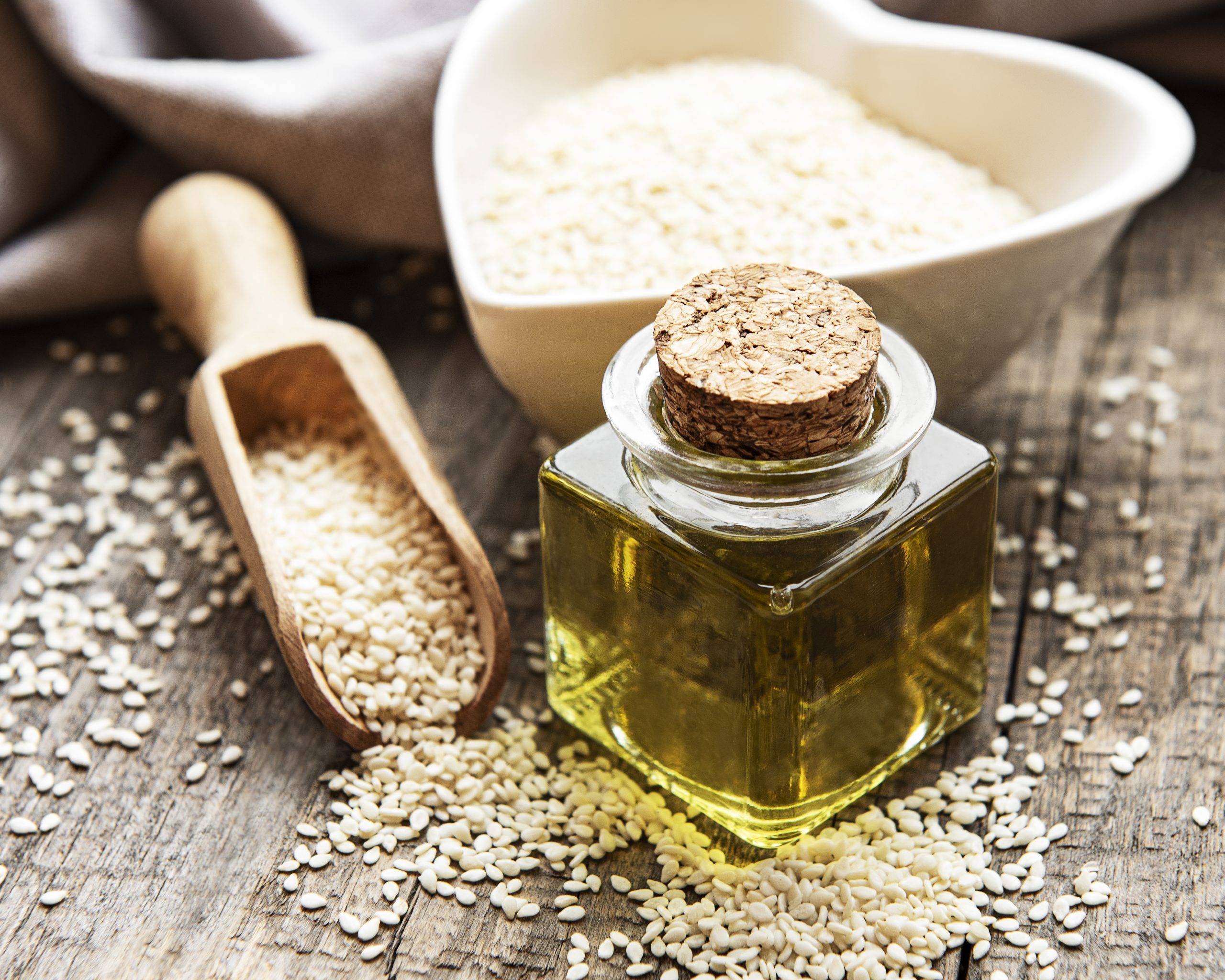
Sesame Oil – Why It’s Becoming the Superior Choice Over Other Cooking Oils

Sesame Oil – Why It’s Becoming the Superior Choice Over Other Cooking Oils

Choosing the right cooking oil is a pivotal decision for maintaining a healthy diet. With so many options available—each boasting its own set of benefits—it’s easy to feel overwhelmed. Among these choices, sesame oil stands out as an exceptional contender due to its unique nutritional profile, versatility, and health-promoting properties. But how does sesame oil compare to other popular cooking oils like olive oil, coconut oil, and vegetable oil?

In this blog, we delve into the reasons why sesame oil is gaining increasing popularity as a superior choice for both culinary uses and overall well-being.

Nutritional Benefits of Sesame Oil

Sesame oil is valued not only for its rich, nutty flavour but also for its potential nutritional benefits. According to various studies, this oil contains compounds that may support overall well-being. Here are some of the key components that make sesame oil a popular choice in many diets.

Rich in Antioxidants

Research suggests that sesame oil contains antioxidants, including a group of compounds known as lignans (such as sesamin and sesamolin), which are believed to have antioxidative and anti-inflammatory properties. These compounds are believed to help combat oxidative stress, a factor associated with various health conditions.

Additionally, sesame oil is said to contain vitamin E, which is recognized for its role in protecting cells from free radical damage. Some studies indicate that vitamin E may help support overall health by reducing oxidative stress.

Contains Healthy Fats

Sesame oil is believed to be a valuable source of healthy fats, specifically monounsaturated fats (MUFAs) and polyunsaturated fats (PUFAs), both of which are frequently linked to promoting heart health. The American Heart Association suggests that substituting saturated fats with unsaturated fats can significantly bolster cardiovascular well-being.

Sesame oil boasts a composition of roughly 40-50% MUFAs and 40% PUFAs, positioning it as a favourable alternative to oils abundant in saturated fats, like palm oil or butter. Moreover, numerous studies indicate that incorporating unsaturated fats into a balanced diet may aid in maintaining healthy cholesterol levels.


May Have Anti-Inflammatory Properties

Certain studies indicate that sesame oil may have anti-inflammatory properties, which could be beneficial for conditions linked to chronic inflammation. A study published in the Indian Journal of Pharmacology suggests that sesame oil might help modulate inflammatory responses in the body. However, more research is needed to fully understand its potential effects.

Sesame Oil vs. Other Cooking Oils

Comparing sesame oil with other commonly used cooking oils can provide insight into its unique characteristics.

Sesame Oil vs. Olive Oil
Both sesame oil and olive oil are believed to contain monounsaturated fats, which are widely regarded as beneficial for cardiovascular health. However, sesame oil has a higher smoke point (around 410°F or 210°C), making it a more suitable option for high-temperature cooking like stir-frying.

Additionally, studies show sesame oil contains sesamol, a compound believed to contribute to its antioxidative properties and stability.

Sesame Oil vs. Coconut Oil
Coconut oil is often noted for its medium-chain triglycerides (MCTs), but it is also high in saturated fats, which some studies link to increased cholesterol levels. According to research excessive consumption of saturated fats may not be ideal for heart health. In contrast, sesame oil, which is rich in unsaturated fats, may offer a more balanced nutritional profile.

Sesame Oil vs. Vegetable Oil
Many refined vegetable oils contain high levels of omega-6 fatty acids and may undergo extensive processing that reduces their nutritional value. Sesame oil, especially in its cold-pressed form, tends to retain its natural antioxidants and nutrients. Some studies suggest that excessive consumption of refined vegetable oils may not be ideal for overall health.


Additional Uses of Sesame Oil

Beyond its role in cooking, sesame oil is widely used for other purposes:

  • Skin Care: Due to its vitamin E content, sesame oil is commonly used as a natural moisturizer. It has been traditionally applied to help improve skin hydration and elasticity.
  • Bone Health: Some sources suggest that sesame oil contains minerals like calcium and zinc, which are essential for maintaining strong bones

With its unique blend of antioxidants, healthy fats, and versatile culinary applications, sesame oil remains a widely appreciated choice in many kitchens. While studies suggest that it may have various nutritional benefits, it is important to consume it as part of a balanced diet. By incorporating sesame oil mindfully, individuals can explore its culinary potential while considering its possible contributions to overall well-being.

Many manufacturers around the world rely on our high-grade sesame oil for large-scale production but need consistent supply and that’s where we come in. At Ovalium Pulver, we deliver premium dried botanicals and natural oils trusted by global brands. Contact us to source your next ingredient.

READ MORE
Ovl 301lhyi
Uncategorized
November 24, 2025 By Precious Imianmian

Cocoa Prices Skyrocketing – Here’s Why and What It Means Globally

Cocoa Prices Are Skyrocketing – Here’s Why and What It Means Globally

Cocoa, the beloved ingredient that brings us rich chocolate, decadent desserts, and comforting beverages, has recently been experiencing a sharp rise in prices. For those who enjoy indulging in cocoa-based products, the increase in cocoa prices is hard to ignore. As the global demand for chocolate and other cocoa-based treats continues to grow, cocoa producers and consumers alike are feeling the pressure of rising prices. But what’s behind this surge, and how does it affect the global market?

Let’s take a closer look at why cocoa prices are skyrocketing.

Climate Change and Environmental Impact

One of the primary factors driving cocoa prices upward is the impact of climate change on cocoa production. Cocoa trees thrive in tropical climates with specific temperature and humidity conditions. However, rising temperatures, unpredictable rainfall patterns, and extreme weather events such as floods and droughts are becoming increasingly common in key cocoa-producing regions like West Africa, Southeast Asia, and South America.

In countries like Côte d’Ivoire and Ghana, which together account for over half of the world’s cocoa production, farmers are struggling to adapt to changing climates. Unpredictable weather patterns can destroy crops, reduce yields, and make the cultivation of cocoa more difficult and costly. As a result, cocoa farmers are facing significant challenges in meeting global demand, causing prices to rise.

The International Cocoa Organization (ICCO) also notes that cocoa crops in West Africa, the world’s leading cocoa-producing region, are becoming increasingly vulnerable to climate change.

Additionally, the need for sustainable farming practices has led to changes in how cocoa is produced. Many companies and organizations are encouraging farmers to adopt environmentally friendly and climate-resilient farming techniques, which often require additional investment and resources. While these practices are essential for the long-term sustainability of cocoa production, they also contribute to rising costs.

Labour Shortages and Low Farmer Income

Cocoa farming is labour-intensive, and a large portion of the world’s cocoa production relies on small-scale farmers who often face economic hardship. In many cocoa-growing regions, farmers are not earning enough to support their families, which has led to a decline in the number of workers willing to take on the demanding task of cocoa cultivation.

Moreover, labour shortages have been exacerbated by migration patterns and changing demographics. In some countries, younger generations are moving away from farming in search of better-paying jobs in urban areas, leaving behind an ageing workforce that struggles to maintain cocoa farms.

To address these challenges, companies have started to invest in better working conditions and fair trade practices to ensure that farmers receive better compensation for their work. However, these initiatives often come at a higher cost, which is passed on to consumers in the form of higher cocoa prices.


Increased Global Demand for Cocoa

The global demand for cocoa is another major factor driving up prices. The popularity of chocolate is at an all-time high, and emerging markets, particularly in Asia, are contributing significantly to the demand for cocoa products. As countries like China and India see an increase in middle-class consumers with disposable income, demand for chocolate, beverages, and other cocoa-based goods has surged.

In addition, the health benefits of cocoa have become widely recognized, especially the antioxidant-rich properties of dark chocolate and cocoa powder. This has further boosted cocoa’s popularity in health-conscious markets. As demand for both premium chocolate and cocoa-based health products increases, the pressure on cocoa farmers to meet these needs intensifies, pushing prices higher


Supply Chain Disruptions

The global cocoa supply chain has also faced significant disruptions in recent years. Factors such as the COVID-19 pandemic, trade restrictions, shipping delays, and transportation issues have created bottlenecks in the movement of cocoa from producing countries to global markets. These disruptions have led to shortages and increased costs in the logistics of transporting cocoa beans and cocoa products.

Furthermore, the ongoing conflict in certain cocoa-producing countries, such as political instability and civil unrest, has further complicated the supply chain. These disruptions create volatility in the cocoa market, leading to unpredictable price fluctuations.


Rising Input Costs for Farmers

Cocoa farmers are also facing rising input costs, including the price of fertilizers, pesticides, and other agricultural supplies. With inflation impacting many industries worldwide, the cost of agricultural inputs has increased significantly. Farmers are finding it harder to afford essential supplies to maintain their crops, which results in lower yields and, in some cases, a reduced quality of cocoa beans.

In addition, cocoa farms are often small-scale operations, which means farmers don’t have the same access to subsidies, loans, or technological advancements that larger-scale agricultural businesses might. The combination of higher input costs and limited access to resources makes it increasingly difficult for farmers to maintain their livelihoods without passing on these additional costs to consumers.


Speculation in the Commodity Market

Like many other commodities, cocoa is also traded on international financial markets. The volatility in cocoa prices can be influenced by speculative trading, where investors buy and sell cocoa futures contracts in the hopes of making a profit based on anticipated market movements. This speculation can drive prices up, even in the absence of any actual supply shortage, as traders bet on the future direction of cocoa prices.

In some cases, speculators may react to perceived risks in the market—such as the impact of climate change or geopolitical tensions—and drive cocoa prices to higher levels in anticipation of shortages. While these speculative forces can sometimes cause prices to fluctuate unpredictably, they are an additional factor contributing to the rising cost of


The Role of Chocolate Manufacturers and Fair Trade Initiatives

The role of large chocolate manufacturers cannot be understated in the context of rising cocoa prices. Many major companies, such as Hershey, Mars, and Nestlé, have committed to sustainable sourcing and ensuring fair wages for cocoa farmers. These companies have pledged to pay higher prices for sustainably produced cocoa to address the challenges faced by cocoa-growing communities.

While these commitments are crucial for the long-term sustainability of the cocoa industry, they also contribute to higher cocoa prices. The demand for sustainably sourced cocoa, combined with efforts to improve social and environmental practices, has led to an increase in production costs, which is often passed down the supply chain to consumers.

What Does This Mean for Consumers?

As cocoa prices continue to rise, consumers may see an increase in the cost of chocolate and other cocoa-based products. This can mean higher prices for everything from a simple chocolate bar to premium cocoa powder used in baking. However, the rising prices are also a reflection of the efforts being made to improve the lives of cocoa farmers and ensure the long-term sustainability of the industry.

In the coming years, cocoa prices will likely remain volatile, with fluctuations driven by the factors outlined above. Consumers who are concerned about the rising cost of cocoa may want to explore alternative options, such as opting for products made with ethically sourced cocoa or considering substitutes for cocoa in recipes.

Cocoa prices are skyrocketing due to a combination of factors, including climate change, labour shortages, increased global demand, rising input costs for farmers, supply chain disruptions, and speculation in the commodity market. As the demand for cocoa continues to grow, especially in emerging markets, the pressures on cocoa farmers and the supply chain are likely to persist. While this means higher prices for consumers, it also presents an opportunity to reflect on the importance of sustainable and ethical practices within the cocoa industry. The rising price of cocoa is not just a financial issue—it’s a call to support the farmers who grow this beloved crop and ensure that they can continue to thrive in an increasingly challenging environment

READ MORE
Ovl 3035
Uncategorized
November 24, 2025 By Precious Imianmian

Dried Ginger Health Benefits and Culinary Uses You Need to Know

Dried Ginger Health Benefits and Culinary Uses You Need to Know

Ginger (Zingiber officinale) has been valued for centuries in both culinary and traditional medicinal practices. The dried form of ginger, in particular, is recognized for its intense flavour and potential health benefits. Many cultures incorporate dried ginger into their diets, believing it may support digestion, reduce inflammation, and enhance overall well-being. Whether you are a culinary enthusiast or someone exploring natural remedies, dried ginger is a valuable ingredient worth having in your pantry.

Dried ginger is derived from the root or rhizome of the ginger plant. Once harvested, the roots are dried either naturally or through dehydration methods, which intensifies their characteristic warmth and pungency. Despite the drying process, it is believed that ginger retains its bioactive compounds, making it a versatile addition to both food and wellness routines.


Potential Health Benefits of Dried Ginger

Dried ginger has been widely studied for its purported health properties. While research is ongoing, various studies suggest that incorporating dried ginger into a balanced diet may offer several benefits.

Supporting Digestive Health

Ginger has long been associated with digestive support. Studies suggest that bioactive compounds such as gingerol and shogaol may help promote digestion by stimulating the secretion of digestive enzymes and reducing gut discomfort. It is also believed to help alleviate bloating and nausea, making it a common ingredient in herbal teas aimed at soothing the stomach.

Furthermore, research indicates that ginger may be beneficial for individuals experiencing motion sickness or pregnancy-related nausea, as well as for those undergoing chemotherapy (National Center for Biotechnology Information).

Potential Anti-Inflammatory and Antioxidant Effects

Chronic inflammation is believed to contribute to various health conditions. Some studies suggest that ginger may possess anti-inflammatory properties by helping to inhibit the production of certain inflammatory markers (Medical News Today). Additionally, ginger contains antioxidants such as gingerol and paradol, which have been explored for their potential role in reducing oxidative stress and supporting overall cellular health.

Exploring Ginger’s Role in Pain Relief

There is growing interest in the role of ginger in managing discomfort associated with muscle soreness, osteoarthritis, and menstrual cramps. According to research, ginger may help alleviate joint stiffness and muscle pain, possibly offering a natural alternative to conventional pain relief methods. Many individuals choose to consume dried ginger tea or ginger-infused meals to support their well-being.

Ginger and Immune Function

Ginger has been traditionally used in many cultures to support immune function. Some studies indicate that its bioactive compounds may possess antimicrobial properties, potentially aiding the body’s natural defence mechanisms. Additionally, ginger’s warming nature is commonly associated with soothing the throat and promoting overall comfort during seasonal changes.

Cardiovascular and Metabolic Health

Emerging research suggests that ginger may contribute to heart health by potentially supporting healthy cholesterol levels and blood circulation. Some studies indicate that ginger consumption could play a role in regulating blood sugar levels, making it an area of interest for individuals managing metabolic conditions. While more research is needed, ginger remains a widely used spice in heart-healthy diets worldwide.


Culinary Uses of Dried Ginger

Dried ginger is a versatile ingredient that enhances both sweet and savoury dishes. Its warm, slightly spicy flavour makes it a key element in many cuisines across the globe.


Baking and Desserts

Dried ginger is a staple in baking, lending its signature spice to treats such as gingerbread cookies, cakes, and spiced muffins. It pairs exceptionally well with cinnamon, nutmeg, and cloves, adding depth to flavours. Many traditional desserts, such as ginger snaps and spiced carrot cake, use dried ginger to achieve a bold and aromatic taste.

Infusions and Beverages

One of the simplest ways to enjoy dried ginger is in tea. A soothing ginger tea can be made by steeping dried ginger slices or powder in hot water, with optional additions like honey and lemon. Ginger is also a common ingredient in chai blends and spiced lattes, offering warmth and flavour to a variety of beverages.

For a refreshing twist, ginger can be infused into fruit juices or smoothies, complementing tropical flavours such as pineapple, mango, and citrus.

Enhancing Savory Dishes

Dried ginger is widely used in Asian, Middle Eastern, and Indian cuisines. It adds depth to marinades, curries, stir-fries, and soups. Many spice blends, including garam masala and Chinese five-spice, incorporate dried ginger for its unique pungency.

A classic example is ginger-infused carrot soup, where the spice enhances the natural sweetness of the vegetables while adding a warming undertone.

Incorporating Ginger into Everyday Cooking

For those looking to include more ginger in their meals, it can be added to homemade salad dressings, sauces, and spice rubs for grilled meats. In small amounts, dried ginger can also enhance the flavours of roasted vegetables or even be sprinkled into yoghurt and oatmeal for an added kick.


Storage and Preparation Tips

To maintain the potency and flavour of dried ginger, store it in an airtight container in a cool, dark place. Ground ginger is best used within six months for optimal taste, while dried ginger slices can retain their quality for a longer duration when stored properly.

When using dried ginger in recipes, it can be directly added in its powdered form or rehydrated by soaking it in warm water for 10 minutes. This method helps release its full aroma and depth of flavour.


Dried ginger is more than just a flavourful spice—it is a versatile ingredient that has been valued for centuries in culinary and traditional wellness practices. Studies suggest that it may support digestion, immune function, and overall well-being, making it a valuable addition to a balanced diet. Whether infused in tea, blended into smoothies, or incorporated into savoury dishes, dried ginger offers a delightful and warming element to everyday meals. Keeping a supply of dried ginger in your kitchen ensures that you can enjoy its rich flavour and potential benefits in countless ways.

By embracing the unique properties of dried ginger, you can explore its wide-ranging uses and discover how this time-honoured ingredient fits seamlessly into modern lifestyles.

Bring more efficiency to your sourcing with our export-standard ginger products sourced from trusted farms. At Ovalium Pulver, we deliver premium dried botanicals and natural oils trusted by global brands. Contact us to source your next ingredient

READ MORE
Ovl 3044
Uncategorized
November 24, 2025 By Precious Imianmian

Sesame Seed Trade Market Growth – Top Producing and Exporting Countries Revealed

Sesame Seed Trade Market Growth- Top Producing and Exporting Countries Revealed

Sesame seeds, known for their rich nutty flavour and high oil content, are among the oldest cultivated crops in the world. They have been used for thousands of years in culinary, medicinal, and cosmetic applications. Today, sesame seeds have become a valuable global commodity, with demand steadily increasing due to their role in oils, bakery products, and health-conscious diets.

But which countries are leading the sesame trade? In this blog, we explore the top producers and exporters of sesame seeds and the factors driving their market dominance.

Global Sesame Seed Market Overview

The global sesame seed market has been experiencing steady growth, valued at USD 7.87 billion in 2025, and projected to reach USD 8.95 billion by 2030, growing at a CAGR of 2.6%. This rise is attributed to increasing demand for plant-based and vegan foods, along with the growing popularity of ethnic cuisines that frequently incorporate sesame seeds.

Top Sesame-Producing Countries

1. Sudan

Sudan is the largest producer of sesame seeds, with a production of 1,367,552 tonnes in 2023. Its vast agricultural lands and favourable climate make it a prime location for sesame cultivation. The country
plays a key role in the global sesame market, with China and the Middle East as primary buyers.

2. India

India produced 802,138 tonnes of sesame seeds in 2023, ranking among the top producers. Sesame is deeply embedded in Indian cuisine and Ayurvedic medicine, where it is used for both culinary and
medicinal purposes. The country is also a major exporter, supplying raw and processed sesame products to Europe, the U.S., and Japan.

3. Myanmar

Myanmar produced 741,823 tonnes in 2023. The country is well known for its high-quality white sesame seeds, which are highly sought after in Asian markets, particularly China and Japan. Myanmar’s sesame industry continues to expand as global demand for premium sesame varieties increases.

4. Nigeria

Nigeria is one of Africa’s leading sesame producers and has been experiencing rapid growth. Government initiatives and rising demand from Asia and the Middle East have significantly boosted sesame production and exports.

5. Ethiopia

Ethiopia is a major sesame producer, known for its high-oil-content varieties that are in demand across Europe, Asia, and the U.S.. The quality of Ethiopian sesame makes it one of the most valued products in the global market.


Major Exporting Countries and Their Markets

●     Sudan and Ethiopia – The primary export markets for Sudan and Ethiopia are China and the Middle East, where sesame oil consumption is high.

●     India – India exports both raw and processed sesame seeds to Europe, the U.S., and Japan, where demand for ethnic and health foods is increasing.

●     Myanmar – Myanmar focuses on high-quality sesame exports to Asian markets, particularly China and Japan, where sesame is widely used in cuisine and traditional
medicine.


Factors Driving Market Dominance

Favourable Agro-Climatic Conditions

Countries like Sudan, Ethiopia, and Myanmar benefit from ideal climate conditions that support sesame cultivation. These regions experience warm temperatures, moderate rainfall, and well-drained soils, which are crucial for optimal sesame growth. Additionally, these areas often have long growing seasons, allowing for multiple harvests per year in some cases, further enhancing production capacity.
Due to their minimal need for chemical fertilizers and pesticides, sesame crops in these countries are
also highly sustainable. The combination of fertile lands, traditional farming knowledge, and government-backed agricultural programs gives these nations a competitive advantage in the sesame trade
.


Government Support & Trade Policies

Many sesame-producing countries have implemented favourable trade policies to boost production and exports. For instance, Nigeria has introduced government subsidies, providing high-yield seed varieties, improved irrigation systems, and modern farming equipment to sesame farmers. The Nigerian Export Promotion Council (NEPC) has also facilitated export incentives to encourage local farmers and processors to target international markets.
Similarly, in India, the government has invested heavily in agricultural research, developing drought-resistant sesame varieties to improve yields. The country also benefits from bilateral trade agreements with major sesame-consuming nations such as Japan, South Korea, and the European Union, allowing for preferential export terms and reduced tariffs.
Additionally, Ethiopia has established cooperative farming programs that help small-scale farmers access financial resources and global buyers, ensuring the country remains competitive in the global sesame trade.


Rising Demand for Healthy Foods

The growing global emphasis on health and wellness has led to an increased demand for sesame seeds, as they are recognized for their high nutritional value. According to health studies, sesame seeds are rich in:
●      Healthy fats, particularly polyunsaturated and monounsaturated fats that supports heart health.
●      Plant-based protein makes them a preferred ingredient for vegetarians and vegans.
●      Antioxidants like sesamin and sesamol which help reduce inflammation and oxidative stress.
●      Dietary fibre which aids digestion and improves gut health.


As plant-based diets and functional foods continue to trend in Western markets, sesame is being used in energy bars, tahini spreads, dairy alternatives, and fortified snacks. This shift in consumer preferences is driving a steady increase in sesame demand, prompting top-producing countries to scale their output.
 
Cultural and Traditional Use
Sesame has been a staple ingredient in the cuisines and traditional medicine practices of many top-producing countries for centuries. In India, it is believed to be widely

used in Ayurvedic remedies, believed to boost immunity, improve digestion, and promote skin health. Sesame oil is also a common cooking ingredient in South Asian, Middle Eastern, and African cuisines, further fueling domestic consumption. boost immunity, improve digestion, and promote skin health. Sesame oil is also a common cooking ingredient in South Asian, Middle Eastern, and African cuisines, further fueling domestic consumption.

In Myanmar and Ethiopia, sesame farming has deep cultural and economic importance, with
generations of farmers specializing in the cultivation and export of high-quality seeds. In Sudan and Nigeria, sesame oil is believed to be used in medicinal and cosmetic applications, such as massage oils and hair treatments, making it a valuable commodity beyond just food production. As global consumers become more aware of the cultural significance and versatile uses of sesame, international demand continues to grow, securing the long-term dominance of these producing nations. 

Looking ahead, the sesame seed market is poised for continued growth, fueled by the increasing popularity of plant-based diets and health-conscious eating trends. Countries that invest in sustainable farming and innovative processing techniques will maintain a competitive edge in the international sesame trade.

Are you looking to source premium sesame seeds? Strengthen your supply chain with export-grade sesame sourced from trusted farms. Explore our range of quality sesame seeds ready for bulk export now. At Ovalium Pulver, we deliver premium dried botanicals and natural oils trusted by global brands. Contact us to source your next ingredient

READ MORE
op
Blog
November 24, 2025 By Precious Imianmian

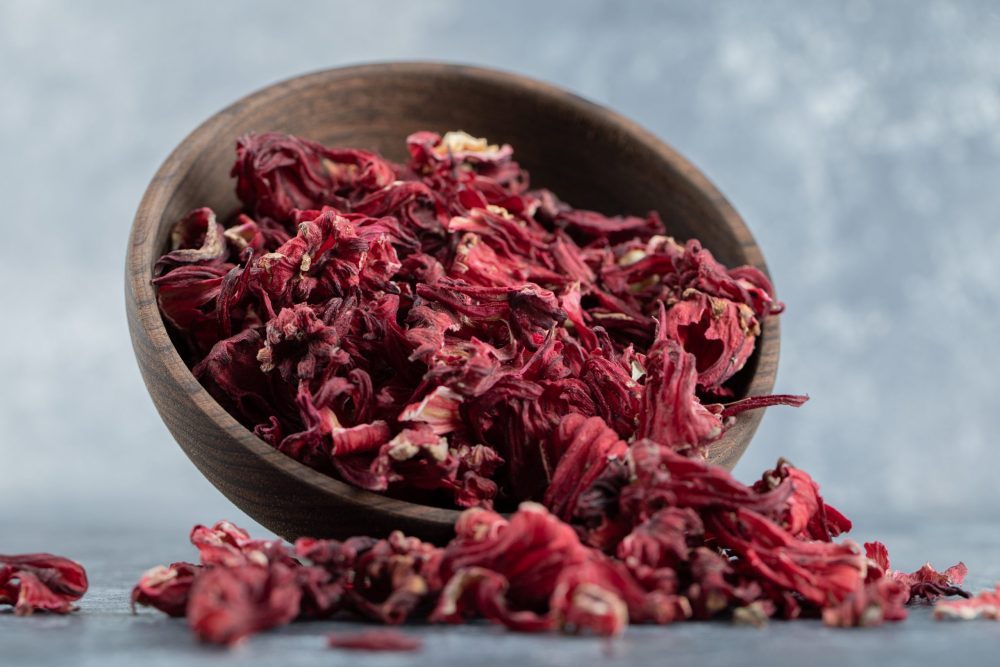
Dried Hibiscus Flower Demand is Rising – Here’s Why the World Can’t Get Enough

Dried Hibiscus Flower Demand is Rising – Here’s Why the World Can’t Get Enough

Dried hibiscus flowers (Hibiscus sabdariffa), known for their deep crimson colour and tart, cranberry-like flavour, are experiencing a surge in demand worldwide. Traditionally used in herbal medicine and regional drinks, hibiscus is now making waves in the wellness, cosmetics, and food industries. This growing interest is fueled by consumers’ increasing preference for natural, plant-based ingredients.

Let’s explore the key factors driving this global demand

The Health and Wellness Boom

The increasing interest in natural health remedies has elevated hibiscus as a prominent ingredient in the wellness industry. As consumers become more conscious of the benefits of plant-based solutions, hibiscus has gained recognition for its rich nutritional profile and diverse health-supporting properties. The research underscores its potential advantages:

Heart Health:

According to research, hibiscus tea consumption may aid in lowering blood pressure and cholesterol levels, as a study published in The Journal of Nutrition found that hibiscus tea significantly reduced systolic blood pressure in prehypertensive and mildly hypertensive adults.

Weight Management:

Research indicates that hibiscus extract supplementation may contribute to weight management. A systematic review and meta-analysis published in Phytomedicine concluded that hibiscus extract led to significant weight reduction.

Digestive Support:

Hibiscus is said to possess diuretic and anti-inflammatory properties that can aid digestion and reduce bloating. An article from Vogue highlighted hibiscus tea’s effectiveness in alleviating abdominal bloating and improving digestive health.

With preventive healthcare gaining traction, hibiscus-infused products are growing in popularity across global markets. Consumers are increasingly seeking natural, plant-based alternatives to support their overall well-being, driving demand for hibiscus in a variety of applications. From herbal teas and dietary supplements to skincare formulations and functional beverages, hibiscus is being embraced for its scientifically backed health benefits and its vibrant, appealing flavour.


The Rise of Herbal and Functional Beverages

Hibiscus serves as a key ingredient in various beverages, expanding from traditional uses to mainstream markets. Known for its vibrant colour, tart flavour, and rich antioxidant content, hibiscus has been a staple in herbal teas and natural drinks across cultures for centuries. With the growing demand for functional beverages—drinks that offer health benefits beyond basic nutrition—hibiscus is gaining recognition as a powerhouse ingredient in modern wellness drinks.

Traditional Beverages:

In Mexico, Agua de Jamaica (hibiscus tea) is a staple drink. Similarly, in West Africa and Egypt, hibiscus-based beverages have been consumed for centuries for their cooling and health-promoting effects.

Western Markets:

Major tea brands have incorporated hibiscus into their products, offering caffeine-free and antioxidant-rich options. The Cleveland Clinic notes that hibiscus tea is packed with antioxidants and supports cardiovascular health.

Kombucha and Functional Drinks:

Many brands now add hibiscus to probiotic-rich beverages like kombucha, leveraging its natural tartness and potential health benefits. The Cleveland Clinic also mentions that hibiscus tea supports liver health and may aid in weight loss.

This trend has led to a surge in hibiscus cultivation, benefiting both small-scale and large-scale farmers.


Expanding Use in Cosmetics and Skincare

Hibiscus, often referred to as the “Botox plant”, is gaining prominence in the beauty industry for its potential anti-ageing and hair health benefits. As the demand for natural and plant-based beauty products rises, hibiscus is being incorporated into various formulations aimed at promoting youthful skin and healthy hair.

Anti-Aging Skincare Benefits

Hibiscus is rich in antioxidants, including vitamin C and flavonoids like hibiscin and quercetin, which help neutralize free radicals responsible for premature skin ageing. A study demonstrated that hibiscus extract significantly reduced oxidative stress in skin cells, thereby protecting them from environmental damage.

Additionally, research indicates that polysaccharides in hibiscus can stimulate skin cell proliferation by up to 40%, enhancing skin regeneration and potentially improving skin texture. Another study found that hibiscus extract increased collagen production by 48% and hyaluronic acid synthesis by 24% in fibroblast cells, contributing to improved skin elasticity and moisture retention.

Furthermore, hibiscus extract has been shown to inhibit collagenase activity, an enzyme responsible for collagen degradation, thereby helping to maintain skin firmness. Its natural acids also provide gentle exfoliation, promoting a brighter complexion and reducing hyperpigmentation.


Hair Care Applications

While extensive clinical research on hibiscus’s effects on human hair is limited, some studies and anecdotal evidence suggest potential benefits. A 2003 study indicated that a leaf extract of Hibiscus rosa-sinensis positively affected hair length and hair follicles in lab rats, with the leaf extract being more effective than the flower extract.

Traditionally, hibiscus has been used in herbal hair treatments to nourish the scalp, strengthen hair strands, and promote hair growth. Its high mucilage content provides deep conditioning, potentially reducing dryness and dandruff. However, more human studies are needed to substantiate these claims.


Rising Demand for Clean Beauty

The shift towards clean beauty products has heightened interest in botanical ingredients like hibiscus. Its multifaceted benefits, sustainability, and natural origin make it an attractive component in skincare and haircare formulations. Brands are increasingly incorporating hibiscus extracts into serums, masks, shampoos, and conditioners to cater to consumers seeking natural beauty solutions.


A Natural Alternative to Artificial Food Colouring

As global food safety regulations become more stringent, manufacturers and consumers alike are shifting away from synthetic food dyes in favour of natural alternatives. Studies suggest that artificial food colourants may pose potential health risks, leading regulatory bodies such as the European Food Safety Authority (EFSA) and the U.S. Food and Drug Administration (FDA) to reassess their safety. This has driven demand for plant-based, clean-label solutions, with hibiscus emerging as a promising natural food colourant.

Rich in anthocyanins—natural pigments responsible for its deep red hue—hibiscus is known to offer a vibrant and appealing alternative to artificial dyes. Beyond its striking colour, hibiscus also contributes subtle tart notes, making it a versatile ingredient across multiple food applications. Its growing use in dairy alternatives, baked goods, confectionery, and gourmet culinary creations underscores its potential to revolutionize natural food colouring.

Studies indicate that hibiscus-based pigments offer stability under varying pH levels, making them particularly suitable for acidic products like fruit-based beverages, yoghurts, and sauces. Furthermore, its antioxidant properties are believed to provide an additional layer of functional benefits, aligning with the increasing consumer preference for foods that not only look appealing but also offer health-supporting compounds.

Here’s how hibiscus is being utilized across different food categories:

●      Dairy-Free Alternatives & Yogurts: The vibrant red hue of hibiscus is said to enhance the appeal of plant-based dairy alternatives. Studies suggest that anthocyanins extracted from Hibiscus rosa-sinensis can serve as effective natural colourants in food products.

●      Baked Goods & Confectionery: Hibiscus powder is increasingly used as a natural colouring agent in frostings, pastries, and candies. Research indicates that anthocyanins from hibiscus can provide stable and visually appealing colouring in various food matrices.

●      Sauces & Dressings: Its tart flavour and rich colour make hibiscus a valuable addition to gourmet culinary creations, enhancing both taste and visual appeal. Studies suggest that hibiscus extracts can contribute to the sensory properties of sauces and dressings.

The European Food Safety Authority (EFSA) recognizes hibiscus as a safe and viable food additive, ensuring that it meets the required standards for consumer use (EFSA).

As consumer awareness of clean-label ingredients continues to rise, hibiscus stands out as a sustainable, plant-derived alternative to synthetic dyes. With ongoing research into its stability and applications, the future of hibiscus as a natural food colourant looks promising for both health-conscious consumers and food manufacturers alike.


Global Market Growth and Leading Producers

The global hibiscus market has been experiencing significant growth, driven by increasing consumer interest in natural products and wellness trends. Reports indicate that in 2021, the market was valued at approximately $113.2 million and is projected to grow at a Compound Annual Growth Rate (CAGR) of 7.2% from 2021 to 2028.

Leading Producers and Exporters

Several countries play pivotal roles in the cultivation and export of hibiscus:

●      Sudan: Known for producing high-quality hibiscus, Sudan is one of the top exporters of dried hibiscus flowers.

●      Egypt: With favourable climatic conditions, Egypt has established itself as a significant hibiscus producer and exporter.

●      Nigeria: Nigeria’s hibiscus industry has seen substantial growth, with exports catering to the production of teas, beverages, and natural food colouring


Major Importers

The demand for hibiscus is rapidly increasing across multiple regions due to its versatile applications in herbal teas, functional beverages, cosmetics, and natural food colouring. With growing consumer awareness of health and wellness benefits, hibiscus is being embraced in both traditional markets—where it has been a staple for centuries—and emerging markets seeking plant-based alternatives.

●      Germany: As one of the largest importers, Germany utilizes hibiscus primarily in the production of herbal teas and natural wellness products.

●      United States: The U.S. market has seen increased reliance on hibiscus for herbal teas, driven by consumer awareness of its health benefits.

●      Mexico: The Mexican economy imports significant quantities to meet domestic demand, particularly for beverages like tea and syrup

●      Asia-Pacific: The Asia-Pacific region is seeing growing hibiscus consumption, especially in Japan, South Korea, and China, where the functional food and beverage industry is expanding. Additionally, hibiscus extracts are gaining traction in the beauty and skincare sector, further fueling demand.

As the global appetite for hibiscus continues to grow, leading producers are scaling production to meet rising international demand.

Scaling Production to Meet Demand

As the global appetite for hibiscus continues to expand, leading producers are making strategic moves to increase cultivation, improve supply chains, and enhance processing techniques.

●      Investments in Hibiscus Farming: In Nigeria and Sudan, agricultural initiatives are supporting farmers to expand production capacity and meet the quality standards required for export markets.

●      Processing & Value Addition: Producers in Mexico and Egypt are shifting toward high-quality drying, grinding, and extraction methods to cater to the food, beverage, and cosmetics industries.

●      Sustainable Sourcing Initiatives: With growing concern over ethical sourcing and sustainability, major exporters are adopting fair-trade practices and organic farming to ensure long-term viability.

●      Expanding Market Access: Trade agreements and increased export activities are opening new opportunities in Asia and the Middle East, further diversifying the consumer base.

With hibiscus-infused products gaining traction across industries, the market is set for sustained growth, making it an attractive opportunity for both producers and global buyers.

Dried hibiscus flowers are no longer just a regional speciality; they have become a global commodity with widespread applications in the health, beauty, and food industries. As consumers continue to gravitate toward natural, functional ingredients, hibiscus remains a key player in the evolving marketplace.

With increased investment in sustainable farming and innovative product development, hibiscus is set to thrive in the global economy—benefiting farmers, manufacturers, and health-conscious consumers alike.

Explore Ovalium Pulver’s range of natural dried hibiscus flowers designed for global export. At Ovalium Pulver, we deliver premium dried botanicals and natural oils trusted by global brands. Contact us to source your next ingredient

READ MORE
logotype

Address: Ogudu GRA, Lagos, Nigeria

Email: sales@ovaliumpulver.com

Phone: +234 805 196 1936

Linkedin Instagram
Quick Links

About Us

Products

Contact Us

Privacy Policy

Copyright © 2023 Ovalium Pulver.  All Rights Reserved.