logotype
connect with us
  • Home
  • About Us
  • Products
    • Agro-Commodities
      • Premium Wholesale Shea Butter
    • High-Grade Plastic Recyclates
  • Partnerships
  • Blog
logotype
  • Home
  • About Us
  • Products
    • Agro-Commodities
      • Premium Wholesale Shea Butter
    • High-Grade Plastic Recyclates
  • Partnerships
  • Blog
  • Home
  • About Us
  • Products
    • Agro-Commodities
      • Premium Wholesale Shea Butter
    • High-Grade Plastic Recyclates
  • Partnerships
  • Blog
logotype
logotype
  • Home
  • About Us
  • Products
    • Agro-Commodities
      • Premium Wholesale Shea Butter
    • High-Grade Plastic Recyclates
  • Partnerships
  • Blog
Top 10 Commodity Export Companies in Nigeria
Blog
January 28, 2026 By Precious Imianmian

Top 10 Commodity Export Companies in Nigeria

Nigeria is one of the largest players in global trade. While many people think only of oil, the country is a goldmine of agricultural products such as cocoa, cashews, and sesame seeds. These products are moved from Nigerian farms to tables all over the world by powerhouse companies that handle everything from sourcing to shipping.

If you are looking to understand who the “big fish” are in the Nigerian export space, you are in the right place. Here is a look at the top 10 commodity export companies making waves in Nigeria today.


Key Takeaways 

  1. These companies are the leaders in Nigeria’s non-oil sector, proving that products like cocoa and cashew are just as vital as petroleum for the country’s wealth.
  2. Ovalium Pulmer provides quality agro commodities such as cocoa, shea butter, kola nut, cashew nuts, and recycled plastic materials
  3. Companies like Tulip Cocoa and Olam Nigeria keep Nigeria ranked as one of the world’s top cocoa producers, feeding the global chocolate market.
  4. Instead of just shipping raw goods, firms like Foodpro Group and Valency Agro now process items locally, which creates more jobs and brings in more money.
  5. Exporters like Enkay Indo invest in high-tech cleaning and sorting to ensure Nigerian seeds meet the tough health standards of Europe and Asia.
  6. Atlantic Shrimpers Limited demonstrates that Nigeria’s water resources are a major goldmine, dominating the frozen shrimp market in Europe.
  7. These companies have built strong bridges between Nigeria and major economies like India, Vietnam, the Netherlands, and the USA.


Top 10 Export Companies in Nigeria 

Here are the top 10 export companies in the country: 

1. Ovalium Pulmer (Ovalium Pulver Limited)

Ovalium Pulmer is a major name in the Nigerian export sector. They are well-known for their deep understanding of the supply chain. They don’t just export; they provide intelligence and data that help the industry grow.

The company supplies agricultural commodities such as cocoa, shea butter, kola nut, cashew nuts, and other quality agro commodities. They have built a reputation for being reliable and for using modern technology to track their shipments. This ensures that when a buyer in Europe or Asia orders goods, they arrive on time and in great condition.

2. Foodpro Group

If you have ever eaten high-quality cashew nuts abroad, there is a good chance they came from Foodpro Group. This company is a specialist in the cashew value chain. Based in Ilorin and Lagos, they have a massive factory where they process raw cashew nuts into kernels.

What makes Foodpro stand out is its “GoNutz” brand. They have moved from just selling raw materials to selling finished, packaged snacks. This adds more value to the Nigerian economy and creates thousands of jobs for local workers.

3. Olam Nigeria

Olam is a giant, not just in Nigeria but globally. They started in Nigeria in 1989, and today, they are one of the largest non-oil exporters in the country. They deal in almost everything: cocoa, cashews, sesame seeds, cotton, and rice.

Olam is famous for its “seed-to-shelf” model. This means they are involved in every step from giving seeds to farmers to processing the final product in their giant mills. They are the backbone of the Nigerian agricultural export economy.

4. Agrobond

Agrobond is a modern, tech-driven company that focuses on connecting Nigerian farmers to the global market. They act as a bridge. Many small farmers have great crops but don’t know how to sell them to big buyers in America or Europe. Agrobond solves this problem.

They use a platform that ensures transparency. Buyers know exactly where their food is coming from, and farmers get a fair price for their hard work.

5. Farmatrix

Farmatrix is another innovative company that uses technology to boost exports. They are an “AgriTech” firm. Their main goal is to reduce “post-harvest loss.” In simple terms, they help make sure food doesn’t spoil before it gets to the buyer.

By using artificial intelligence (AI) and smart logistics, Farmatrix helps move commodities like ginger, grains, and tubers from rural farms to international shipping ports quickly.

6. Enkay Indo Nigerian Industries

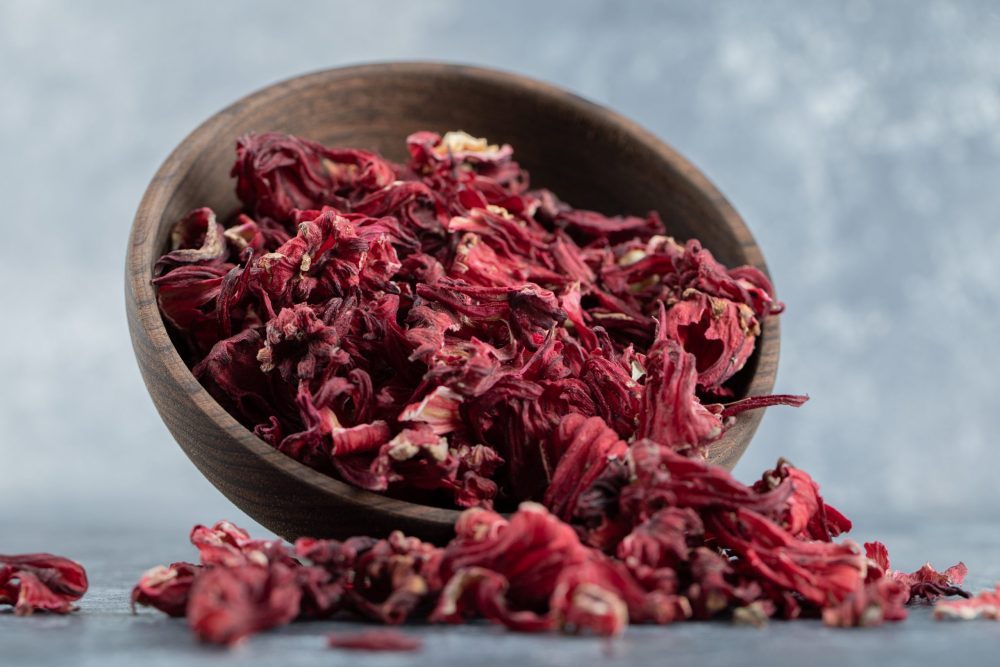
Established over 20 years ago, Enkay Indo is a leader in the export of spices and seeds. If you see Nigerian dried hibiscus flowers or sesame seeds in a global market, Enkay Indo likely handled them.

They have state-of-the-art cleaning and sorting machines in Lagos. These machines can process hundreds of tons of products every day, ensuring that every bag of seeds exported meets international purity standards.

7. Atlantic Shrimpers Limited

Not all commodities come from the soil; some come from the sea. Atlantic Shrimpers Limited is the largest fishing company in West Africa. They own a massive fleet of over 70 trawlers that catch shrimp and fish in the Atlantic Ocean.

Their flagship brand, PRIM7STARS is a household name in the European seafood market. They export thousands of tons of frozen seafood every year, making them a top foreign exchange earner for Nigeria.

8. Tulip Cocoa

Nigeria is a top global producer of cocoa, and Tulip Cocoa is at the heart of that industry. Based in Ogun State, they have a giant factory that grinds cocoa beans.

Instead of just exporting raw beans, they turn them into cocoa butter (used in chocolates and lotions), cocoa liquor, and cocoa cake/powder. This processing makes their exports much more valuable than raw beans alone.

9. ETC Agro Company Nigeria Limited

ETC Agro is part of a large global group that handles a wide variety of products. In Nigeria, they are heavily involved in exporting pulses, sesame seeds, and ginger.

They are known for their massive storage facilities (warehouses) across Nigeria. These warehouses allow them to buy crops during the harvest season and store them safely until they are ready to be shipped across the world.

10. Valency Agro Nigeria Limited

Valency Agro is one of the most successful non-oil exporters in recent years. They have a very diverse portfolio, meaning they trade in many different things. Their main exports include raw cashew nuts, soybeans, and cocoa beans.

They are a very financially strong company and have recently expanded into making “FMCG” (Fast-Moving Consumer Goods). This means they are now making their own branded milk powder and custard, showing that they are growing from a simple exporter into a full food company.


Why Choose Ovalium Pulmer?

Ovalium Pulver is the leading agro commodity export company in Nigeria. We deliver the essential link between premium Nigerian resources and the global market. By combining deep local expertise with a sophisticated supply chain, you get a reliable, high-quality gateway to agricultural staples like dried hibiscus, cocoa, and ginger, alongside sustainable industrial solutions like RPET flakes. 

When you choose Ovalium Pulver, you aren’t just selecting a supplier; you’re partnering with a team dedicated to transparency and the seamless delivery of raw materials that power international industries.

Need to start your export journey? Contact Ovalium Pulmer today to get the best supply chain intelligence to help you succeed in the global market. 


Conclusion

Nigeria is rich with opportunities for anyone looking to trade in commodities. From the cocoa of Tulip Cocoa and the shrimp of Atlantic Shrimpers to the tech-driven model of Agrobond, leading companies are showcasing the strength of Nigerian exports on the global stage. 

Among them, Ovalium Pulver stands out by delivering high-quality agro-commodities through a reliable, traceable supply chain built on direct partnerships with vetted local farmers. With a diverse product portfolio spanning premium agricultural commodities and recycled plastic materials, the company is well-positioned to meet the evolving demands of global markets. 

The world wants what Nigeria has to offer and for farmers, investors, and buyers alike, now is the time to be part of Nigeria’s growing export success.


FAQs

1. Do I need a special license to start an export business?

Yes. Every exporter in Nigeria must register with the Nigerian Export Promotion Council (NEPC). You will receive an Exporter’s Certificate, which is the primary legal document required to move goods out of the country.

2. Can I export goods without a company registration?

No. To get an export license from the NEPC, you must have a registered company with the Corporate Affairs Commission (CAC). You will need your Certificate of Incorporation and a Tax Identification Number (TIN).

3. What are the most profitable small-scale commodities to export?

If you are starting small, items like dried hibiscus flowers, ginger, and shea butter are highly profitable. They are lighter to ship and have high demand in Europe and North America for use in teas and cosmetics.

4. How do I make sure my goods aren’t rejected abroad?

You must obtain a Phytosanitary Certificate from the Nigeria Agricultural Quarantine Service (NAQS). This certificate proves that your agricultural products are free from pests and diseases and meet the health standards of the country you are shipping to.

5. Can I export processed food like jollof rice spices?

Yes, but you will need an extra permit from NAFDAC (National Agency for Food and Drug Administration and Control). They ensure that any processed or packaged food is safe for human consumption before it leaves Nigeria.
READ MORE
how to export from nigeria
Blog
January 28, 2026 By Precious Imianmian

How to Export Agricultural Products from Nigeria

Nigeria is often called the “Giant of Africa,” not just for its population, but for its incredibly fertile land. In 2026, as the world moves toward organic and sustainably sourced food, Nigerian agricultural products like Sesame seeds, Ginger, and Cashews are more valuable than ever.

However, many aspiring “agropreneurs” are intimidated by the process. Is it difficult? It can be. Is it worth it? Absolutely. This guide breaks down the process into simple, actionable steps to help you move your goods from a farm in Benue or Kano to a warehouse in London or New York.


Key Takeaways 

  1. Ensure your business is registered with the Corporate Affairs Commission (CAC) and, most importantly, obtain an Exporter’s Certificate from the Nigerian Export Promotion Council (NEPC).
  2. Every formal export must be declared through a commercial bank via the Nigeria Export Proceeds (NXP) Form. This tracks the inflow of foreign exchange back into the country.
  3. Quality is non-negotiable. Your products must pass inspections by the Nigeria Agricultural Quarantine Service (NAQS) to ensure they are pest-free and meet global phytosanitary standards.
  4. Moisture is the enemy of agro-exports. Commodities like ginger and cocoa must be dried to specific percentages (usually below 10%) to prevent mold growth during long sea voyages.


How to Export from Nigeria


Here’s how you can export agricultural produce from Nigeria: 

1. What is the World Buying?

You cannot export everything. To be successful, you must focus on products with high international demand and a long shelf life. Here are the top performers for 2026:

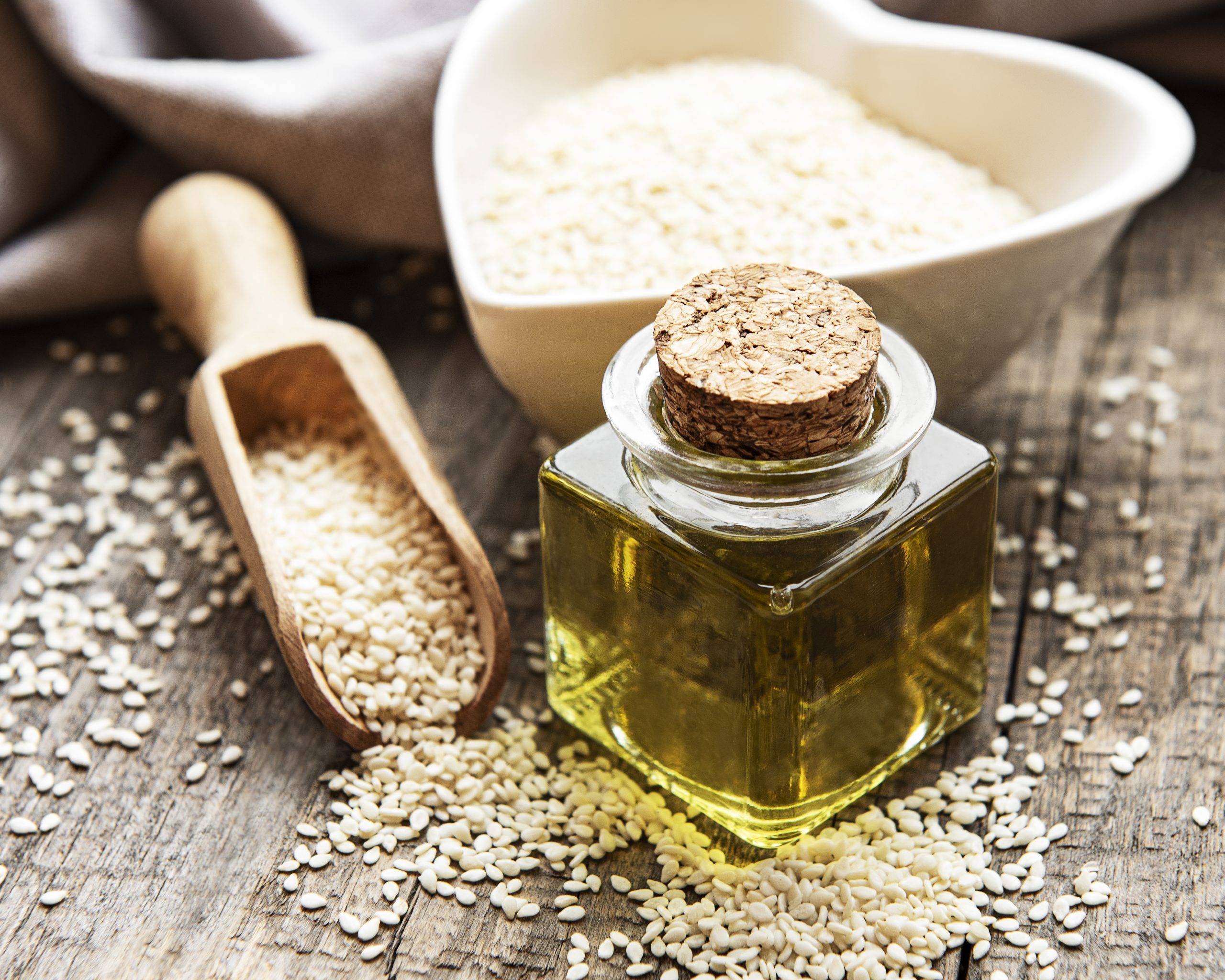
  • Sesame Seeds: Nigeria is a top global producer. These are highly sought after in Japan, China, and Turkey for oil and confectionery.
  • Ginger: Known for its high pungency and oil content, Nigerian ginger (especially split-dried) is a favorite in Europe and the UAE.
  • Cocoa Beans: The backbone of the global chocolate industry. The Netherlands and Germany are huge buyers of Nigerian cocoa.
  • Hibiscus Flowers (Zobo): Used globally for herbal teas and natural food coloring. Mexico is currently the largest buyer of Nigerian Hibiscus.
  • Cashew Nuts: Raw cashew nuts (RCN) are in massive demand in Vietnam and India for processing.

Don’t try to export five things at once. Pick one product, master its supply chain, and then scale.


2. Documentation and Registration

A. Incorporate with the CAC

The first step is registering your business with the Corporate Affairs Commission (CAC). Most international buyers prefer dealing with a “Limited Liability Company” (Ltd) because it offers more legal security.

B. Register with the NEPC

The Nigerian Export Promotion Council (NEPC) is the most important body for any exporter. Visit the NEPC E-registration portal. Upload your CAC documents and pay the registration fee (approx. ₦13,500 for new certificates) to get the exporter’s certificate.

C. The NXP Form

The Nigeria Export Proceeds (NXP) Form is a mandatory document handled through your commercial bank. It ensures that the money earned from your export returns to the Nigerian economy.


3. Quality Control

The biggest reason Nigerian exports get rejected abroad isn’t because of the product itself, but because of quality and contamination.

NAQS (Nigeria Agricultural Quarantine Service) must inspect your produce and issue a Phytosanitary Certificate. This proves your goods are free from pests and diseases.

SON (Standards Organisation of Nigeria) ensures your packaging and product specifications meet international benchmarks.

Lab testing is also required as many European buyers will require a certificate showing that your product has no traces of banned pesticides or high levels of lead/cadmium.


4. Finding International Buyers

How do you find someone in France to buy your ginger?

  1. Digital Marketplaces: Use platforms like Alibaba, Tridge, or Comilmart.
  2. Trade Fairs: Attend the NEPC-organized trade fairs or international events like Gulfood in Dubai.
  3. LinkedIn: B2B networking on LinkedIn is a goldmine. Search for “Agro-commodity buyers” or “Spice importers” and start building relationships.
  4. Export Management Companies: Partner with experts like Ovalium Pulver who already have established trade channels.


5. Moving the Goods (Logistics)

You have two main options for shipping: sea freight, which is best for large volumes (containers) of non-perishables like charcoal or cocoa. It’s cheaper but takes weeks. Air freight is best for perishables (vegetables, fruits) or small, high-value samples. It’s expensive but reaches the destination in 24-48 hours.

You will need a Freight Forwarder. They handle the “dirty work” at the ports, including customs clearance and booking space on ships or planes.


6. Pricing and Getting Paid

Never ship your goods without a clear payment structure. The industry standard is a Letter of Credit (LC), in which the buyer’s bank guarantees payment upon receipt of proof of shipment. Also, the buyer pays a percentage (e.g., 30% or 50%) before you ship and the rest upon receipt of documents.

When pricing, remember to include:

  1. Cost of sourcing the product.
  2. Cleaning, drying, and packaging.
  3. Transportation to the port.
  4. Export levies and documentation fees.
  5. Your profit margin.


7. Common Pitfalls to Avoid

One of the pitfalls to avoid is inadequate drying. If your ginger or cocoa isn’t dried to the required moisture level (usually below 10%), it will grow mold during the 30-day sea voyage. Also, using cheap bags that tear will lead to losses and rejection.

Under the AfCFTA (African Continental Free Trade Area), you can get tax breaks if you prove your product was grown in Nigeria.


Export with Confidence with Ovalium Pulver

Are you ready to tap into the multi-billion-dollar global demand for Nigerian cocoa, ginger, and hibiscus? 

Don’t let paperwork and logistics hold you back. Ovalium Pulver bridges the gap between local production and international markets. Whether you are a small-scale farmer or a growing enterprise, you get the expertise and supply chain solutions you need to go global. Ovaliun Pulver is your #1 agro commodity export company in Nigeria.


Conclusion

Navigating the complexities of global trade can be overwhelming, but you don’t have to do it alone.  Ovalium Pulver specializes in creating viable trading channels and delivering high-quality Nigerian commodities to the global market.

With the right information, a commitment to quality, and a reliable partner, you can turn local farm produce into foreign currency.

Ready to go global? Take the next step with Ovalium Pulver today and grow your business beyond borders. 


FAQs

1. Can I get a tax holiday for my export business?

Yes. Under the Pioneer Status Incentive (PSI), companies engaged in the processing of agricultural produce can enjoy a tax-free period of 3 to 5 years. Additionally, 100% of profits from goods exported from Nigeria are exempt from tax, provided the proceeds are repatriated and used exclusively for purchasing raw materials or equipment.

2. What happens if my international buyer refuses to pay?

This is a major risk. To mitigate this, you should apply for Export Credit Insurance from the Nigerian Export-Import Bank (NEXIM). They offer policies that protect you against “commercial risks” (like buyer insolvency) and “political risks” (like sudden trade embargos), covering up to 85% of your loss.

3. Is there a government grant for agro-exporters in 2026?

While direct “free money” is rare, the Export Expansion Grant (EEG) is the primary incentive. It provides a credit certificate (ranging from 5% to 15% of your export value) that you can use to settle federal taxes or buy government bonds. There are also single-digit interest loans available through the Central Bank of Nigeria (CBN) and NEXIM.

4. Can I export processed food like Garri or Poundo Yam?

Yes, but the rules are stricter. While raw seeds only need a Phytosanitary certificate, processed foods usually require FDA approval (for the US) or EFSA compliance (for Europe). You must also ensure the packaging includes nutritional facts and meets the specific labeling laws of the destination country.

5. What is the best way to package dried ginger to prevent spoilage?

For dried split ginger, the industry standard is clean, new polypropylene (PP) bags (usually 25kg or 50kg). Using recycled bags can lead to cross-contamination or pest infestation, which are grounds for immediate rejection at European or American borders.

6. Can I use a regular savings account to receive export payments?

No. You must open a Domiciliary Account (usually in USD, EUR, or GBP) linked to your business. The Central Bank of Nigeria requires that all export proceeds be deposited here. You can then sell these funds at the prevailing market rate or use them for business-related foreign transactions.

7. Are there specific products I am NOT allowed to export?

Yes. Nigeria has an Export Prohibition List. Items often restricted include raw hides and skins (to encourage local leather industries), certain timber species, and imported goods that have been re-packaged. Always check the current Customs Prohibition List before sourcing.

READ MORE
logotype

Address: Ogudu GRA, Lagos, Nigeria

Email: sales@ovaliumpulver.com

Phone: +234 805 196 1936

Linkedin Instagram
Quick Links

About Us

Products

Contact Us

Privacy Policy

Copyright © 2023 Ovalium Pulver.  All Rights Reserved.